Types
Normal Pressure Hydrocephalus
What is normal pressure hydrocephalus?
The brain has chambers called ventricles (cavities) that normally contain fluid. This fluid is called cerebrospinal fluid (CSF). It cushions the brain and spinal cord. Normally, your body makes just enough CSF each day and absorbs that same amount. Sometimes, though, too much fluid can build up in the ventricles. This can lead to a normal pressure hydrocephalus (NPH).
What causes normal pressure hydrocephalus?
NPH occurs if the normal flow of CSF throughout the brain and spinal cord is blocked in some way. This may be due to past injury, bleeding, infection, brain tumor, or surgery on the brain, or the cause is often not known. When excess CSF fluid builds up in the ventricles, they enlarge and press against nearby brain tissue. This extra fluid and pressure can lead to brain damage.
NPH is rare. It most often affects older adults, and its symptoms can be like those of Alzheimer and Parkinson diseases. A doctor familiar with these conditions can often tell the difference between these diseases and NPH after special testing.
Who is at risk for normal pressure hydrocephalus?
You are at increased risk for NPH if you:
- Are older than age 60
- Have a brain infection
- Have had a head injury
- Have a brain tumor
- Have undergone brain surgery
What are the symptoms of normal pressure hydrocephalus?
These are possible symptoms of NPH:
- Trouble walking (feels like the feet are stuck to the ground)
- Poor balance
- Falling
- Changes in the way you walk
- Forgetfulness and confusion
- Mood changes
- Depression
- Difficulty responding to questions
- Loss of bladder control
How is normal pressure hydrocephalus diagnosed?
Your medical team may need to do a number of tests to confirm NPH, such as:
- Physical exam and review of your symptoms
- Evaluation of the way you walk
- CT or MRI scans of your brain
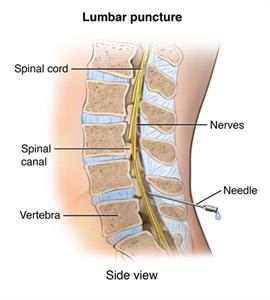
- Spinal tap to remove a sample of your CSF
- A temporary drain put in place to see if prolonged spinal fluid drainage helps symptoms
How is normal pressure hydrocephalus treated?
A commonly used treatment for NPH is surgery to place a tube, called a shunt, into the brain to drain the excess fluid. The shunt is usually inserted into a ventricle in the brain and then passed under your skin from your head through your neck and chest to your abdomen. The extra fluid in your brain flows through the shunt into your abdomen, where your body absorbs it. The ventricles in your brain may then go back to their normal size. The shunt stays in place as long as there is too much CSF in the brain.
Implanting a shunt doesn't work for everyone, but some people do benefit from it. Getting prompt diagnosis and treatment helps improve your chances of a good outcome.
What are possible complications of normal pressure hydrocephalus?
The complications of NPH include:
- Trouble walking
- Trouble thinking
- Loss of bladder control
When should I contact my doctor?
If you or an older relative have changes in walking, thinking, mood, or loss of bladder control, contact your doctor or seek medical care right away. Describe when the changes started and how they are affecting your physical activity and emotional well-being.
Key points about normal pressure hydrocephalus
- Walking problems, trouble thinking, or loss of bladder control may indicate NPH.
- Early diagnosis may prevent long-term problems.
Next steps
Tips to help you get the most from a visit to your doctor:
- Know the reason for your visit and what you want to happen.
- Before your visit, write down questions you want answered.
- Bring someone with you to help you ask questions and remember what your doctor tells you.
- At the visit, write down the name of a new diagnosis, and any new medicines, treatments, or tests. Also write down any new instructions your doctor gives you.
- Know why a new medicine or treatment is prescribed, and how it will help you. Also know what the side effects are.
- Ask if your condition can be treated in other ways.
- Know why a test or procedure is advised and what the results could mean.
- Know what to expect if you don't take the medicine or have the test or procedure.
- If you have a follow-up appointment, write down the date, time, and purpose for that visit.
- Know how you can contact your doctor if you have questions, especially after office hours and on weekends and holidays.
Author: Ignite Staff
© 2000-2026 The StayWell Company, LLC. All rights reserved. This information is not intended as a substitute for professional medical care. Always follow your healthcare professional's instructions.