Healthy Living
Keeping Bullying and Violence Out of Schools
School should be a safe place for children. Neither parents nor children should have to worry about violence or emotional harm. Unfortunately, that's not always the case in today's world. Violence exists in schools, and it can make both children and parents fearful.
Violence can range from bullying to fighting to the use of weapons on or near school property. Violence can occur during school hours or at after-hours activities like dances or sporting events. But schools, parents, and children can take steps to work together and keep kids safe at school.
Talking to your children about safety
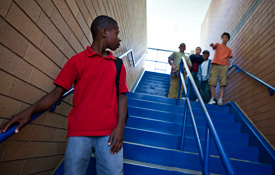
Protecting your children starts with communication. Talk with them early and often to open the lines of communication. This will make it natural for them to talk to you if they're worried about their safety.
Parents should talk to their children about:
-
Kids’ experiences at school. Talk about whether they're happy and feel safe, what the other students are like, if something worries them, or if they're being bullied.
-
Right ways to handle anger. Fighting, aggression, and violence aren't the answer to anger in any situation. Teach your kids to work on remaining calm and patient. Have them talk out problems instead of fighting and get an adult's help when needed.
-
Communicating about problems at school. Make sure your kids know to talk to you or a trusted teacher or staff member about someone who has behaved violently or made threats.
What you need to know about bullying
Bullying is a form of violence in which a child threatens, harasses, picks on, or embarrasses another child. Bullying can take place in person at school or through the Internet. The latter is known as cyberbullying. Cyberbullying can mean sending harassing emails, instant messages, or text messages, or posting harassing or belittling information on social media sites.
Here’s how you can help protect your kids:
-
Talk honestly about bullying. Help them understand what it means, what can happen as a result of bullying, and the signs of bullying in various forms.
-
Promote self-confidence in children. Get children involved in activities they enjoy and that make them feel good about themselves. This can help them feel confident at school and with friends.
-
Teach that bullying is never allowed. Make sure your children understand that it's never OK to bully or be bullied. Tell them it's important to speak to a parent or teacher if they witness any bullying.
Working with schools
Administrators and teachers should be working to make sure that school is safe for your children and taking measures to reduce the risk of violence. If you're concerned about violence in your children's school, speak with school officials to see what they've done to keep kids safe.
Schools should have safety precautions and practices in place, including:
-
Close supervision of students by faculty members.
-
On-site security.
-
Telephones in each classroom.
-
Identification badges for students and visitors.
-
Counseling for students who want it.
-
Restrictions on students' trips off-campus during school hours.
-
Restrictions on clothing to reduce the likelihood of weapons being hidden under coats or shirts.
-
Detailed reports on violent incidents.
-
A no-tolerance policy on drugs, alcohol, weapons, bullying, and violence.
Look for signs of possible violence in your children's lives. Look for signs that your children may be exposed to violence at school. Be an informed, aware parent to better protect your children in every way you can.
Author: Rodriguez, Diana
© 2000-2026 The StayWell Company, LLC. All rights reserved. This information is not intended as a substitute for professional medical care. Always follow your healthcare professional's instructions.