Prevention

Preventing Migraine Headaches: Medicines and Lifestyle Changes

Choose a preferred language

A migraine is a type of severe headache. Having a migraine can be very painful. But there are steps you can take to help prevent migraines.


Medicines to help prevent migraines

  • Your healthcare provider may prescribe certain medicines to help prevent migraines. These medicines may need to be taken daily. Or they may need to be taken only at times when you’re likely to have a migraine.

  • Common medicines used to help prevent migraines include:

    • Triptans (serotonin receptor agonists)

    • Nonsteroidal anti-inflammatory drugs (NSAIDs) such as ibuprofen, available over-the-counter

    • Beta-blockers

    • Anticonvulsants

    • Tricyclic antidepressants

    • Calcium channel blockers

    • Certain vitamins, minerals, and plant extracts

    • Botulinum toxin injection for certain chronic migraines 

    • CGRP (calcitonin gene-related peptide) antagonists


Lifestyle changes for long-term prevention
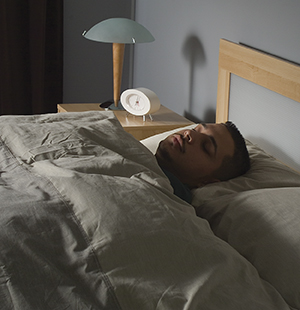
Man sleeping in bed.

Here are some suggestions:

  • Exercise. Regular exercise can help prevent migraines and improve your health. (If exercise triggers your migraines, talk to your healthcare provider.)

  • Keep regular habits. Don’t skip or delay meals. Drink plenty of water. And go to bed and get up at about the same time each day. This includes weekends.

  • Try alternative treatments. These are treatments that don't involve the use of medicines or surgery. They may help relieve symptoms and prevent migraines. Some treatment options include biofeedback and acupuncture. Ask your healthcare provider to tell you more about these treatments if you have questions.

  • Limit caffeine. You may find that caffeine helps relieve pain during an attack. But too much caffeine can also trigger migraines. So, limit the amount of caffeine you consume.


© 2000-2026 The StayWell Company, LLC. All rights reserved. This information is not intended as a substitute for professional medical care. Always follow your healthcare professional's instructions.

Start your journey toward better health

Select a primary care physician who will deliver personal care, close to home.

Find a Doctor

We have more than 4,500 specialty care physicians in our network

We have you covered from head (neurosurgery) to toe (podiatry.) And everything in-between!

Find a Doctor

Need Help?

Get the right care at the right time.

Learn More
Related Articles
Read article
Brain Health
Preventing Tension Headaches

Lifestyle changes are the key to preventing tension-type headaches. Learn what changes in your environment and daily activities can prevent the strain and tension that lead to headaches.

Read article
Brain Health
Preventing Migraine Headaches: Triggers

The first step in preventing migraines is to learn what set them. off. You may then be able to control your triggers to prevent or reduce the severity of your migraines.

Read article
Brain Health
Migraines: Take Steps to Avoid the ER

Learn how to help stop your migraines from driving you to the emergency room (ER).

Read article
Brain Health
Discharge Instructions for Concussion

You have been diagnosed with a concussion. This is a type of brain injury caused by a sudden impact to your head. It can also be caused by sudden movement of your brain inside your head, such as from forceful shaking. Some concussions are mild, and most patients have a full recovery. Others are severe. Early care and monitoring are important to prevent long-term complications.