Having coronary artery disease (CAD or heart disease) can be stressful. You may worry about your health and future. If you ignore these feelings, they can affect your recovery. Get the help and support you need from family and friends if available. Support groups are also a good source of encouragement.
Focus on your goals
Keep in mind that recovery takes time. Your heart and body may need time to heal from the stressful event of a heart attack, coronary stents, or surgery. Sometimes your body needs a chance to adjust to new medicines that are often used to treat heart disease. With time, you should start to see improvement. Focus on goals that are important and that you can reach. These may include going back to work or being active again. Or spending more time with your family. Track your progress on a calendar or in a journal.
Talk about your feelings
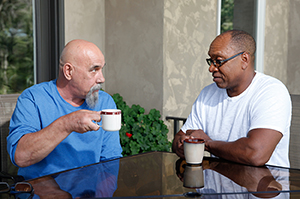
After having heart problems or surgery, it’s normal to feel depressed and angry. You may have trouble accepting your diagnosis or new treatment plan. Your family or partner may feel some of the same things. Talk about your feelings openly. Talk about what you plan to do for yourself. Tell your family how they can help. Support each other through each stage of your recovery.
Prepare to make changes
It's common to feel some denial. But the sooner you accept your health condition, the better. Unless you make some changes in your life, you're at higher risk for more problems. At first, it may be hard for you to face making new lifestyle changes. Your family and friends can encourage you and help make these changes easier.
Know that you are not alone
Making changes isn’t easy. It helps to have a support system you can count on. Start with a cardiac rehab center. It’s a place where people understand what you’re going through. You can talk to others about your feelings and experiences. You can ask questions about goals and building a healthier lifestyle. And your cardiac rehab team can help you set realistic goals and stay on track. Turn to your family and friends for more support. Support groups are also offered in many communities. Open communication is the best way to find support in those around you.
Are you depressed?
Feeling sad or overwhelmed at times is a normal part of life. But if sad feelings last, you feel hopeless, or you've lost interest or pleasure in doing things, you may be clinically depressed. Call your healthcare provider if you:
-
Lose interest in food, sex, or other things that you enjoy
-
Sleep much less or much more
-
Feel hopeless about the future
-
Are crying more than normal
-
Can’t get through your normal routine
-
Don't want to go outside
-
Feel like isolating yourself from your loved ones
If you are at immediate risk of harming yourself or others, call or text