Suddenly you're faced with an accident on the job. Should you call for emergency help? Should you help the hurt person yourself? With a quick study of the situation, you can decide how best to handle it. Before you help, take the right steps to protect yourself and others from infection from bloodborne pathogens. These are disease-causing germs carried in blood or other body fluids.
Step 1. Check it out
-
Before helping the hurt person, try to find out if the injury is life-threatening.
-
If the injury looks life-threatening, call
911 or other emergency service before you do anything else. -
For head and spine injuries, do not move the person until medical assistance arrives on the scene.
-
Don't panic. You'll be much more helpful if you stay calm.
Step 2. Protect yourself
When helping a hurt person, protect your hands, mouth, eyes, or any part of your body that might come in contact with the person's blood or body fluids. Follow these guidelines:
-
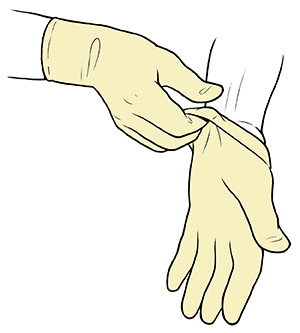
Use a barrier against blood and body fluid, such as protective gloves, when helping a hurt person.
-
If blood or body fluid could splash, wear a mask and eye protection. Wear an apron to protect your clothing.
-
If protective gloves aren't available, use some other type of barrier, such as a clean, thick cloth. If blood or body fluids start to soak through the cloth, keep adding more layers of cloth.
Step 3. Control or flag the area
Follow work practice controls and use materials, such as rope, flags, cones, or tape, to mark off the accident site. This will help protect others from exposure to blood or body fluids, even if it's dried.
Step 4. Make a report
Report the accident to your supervisor right away. List anyone else who witnessed or was involved in the accident in the report.