It's very important to track your asthma symptoms so you can take action if there is a change.
There are two ways to track your symptoms. Some people use a peak flow meter to track their asthma symptoms. The peak flow meter measures how well air is moving out of your lungs. And some people keep track of small changes in their symptoms. They write them down every day. Symptoms may include coughing, wheezing, trouble breathing, chest tightness, difficulty doing normal activities, and waking up at night with symptoms. Also note if you use your quick-relief inhaler more often than usual.
Your doctor will help you make a plan to manage your asthma symptoms by developing an Asthma Action Plan. They will also tell you what to do if your symptoms get worse.
If you have a flare-up or asthma attack, always refer to your Asthma Action Plan. If you don't have an Asthma Action Plan, talk with your doctor. An Asthma Action Plan should be updated every year or when your treatment changes.
If you use a peak flow meter, you should know your personal best reading. You should also know how to use the meter correctly, and how often you should measure your peak flow.
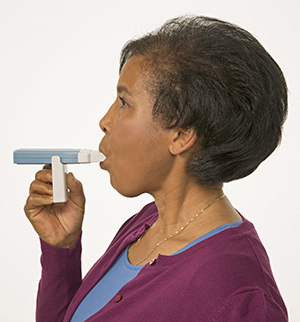
Using your peak flow meter
Here are the steps to follow:
-
To start, stand or sit up straight. Use the same position every time.
-
Hold the meter and move the marker to 0 or to the lowest number.
-
Breathe in as deeply as you can.
-
Place your lips tightly around the mouthpiece of the meter. Make sure to keep your tongue away from the mouthpiece.
-
Blow
1 time as hard and fast as you can. Note the reading. -
Repeat the process a total of
3 times. Record your highest reading.
Featured in