The day to remove your cast has come. But your recovery isn't over yet. Your bone is still growing stronger. Keep caring for your injury. Follow all your doctor's instructions until you're fully healed.
Removing your cast
Your cast will be removed with a special saw that moves back and forth (oscillates). Your skin may tingle or feel warm while the cast is being sawed. Don't worry! The saw is designed to cut your cast without cutting your skin. To make removal easier, try to hold still while your cast is being sawed.
After your cast comes off
Don't be surprised if your injured body part looks a little different than it used to. It will return to normal over time. You may have:
- Weak muscles. The muscles around your injury will likely have shrunk. This is because they weren't being used while in a cast. As you start using them again, the muscles will get stronger. Your doctor may suggest exercises to help.
- Dry skin. Skin that has been covered by a cast will likely be dry and flaky. Using lotion can help make your skin soft again. Your skin may also be tender. So scratching with your nails can cut the skin. Instead, use your open palm to rub itchy skin. The hair on your skin may look darker.
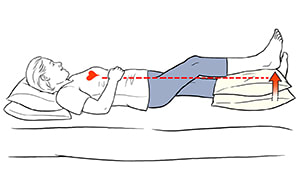
- Swelling. Your injury is still healing. So it may swell even after the cast is removed. (This is especially true of leg injuries.) To help reduce swelling, raise the injury higher than your heart. Call your doctor if swelling continues.
© 2000-2026 The StayWell Company, LLC. All rights reserved. This information is not intended as a substitute for professional medical care. Always follow your healthcare professional's instructions.