Hip resurfacing is a type of surgery to fix a damaged hip joint. It's done by an orthopedic surgeon. This is a doctor with special training in treating bone, joint, and muscle problems.
About the hip joint
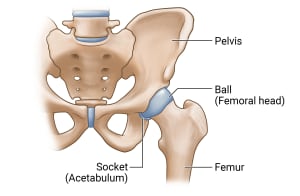
Each hip joint is made up of the rounded top of the thighbone (femoral head) sitting in a curved area (hip socket) in the pelvic bone. The joint is lined with a flexible cushion (cartilage). Normally the femoral head moves smoothly in the hip socket. When you have joint damage, the cartilage that lines the joint wears away. The bones no longer move smoothly. This causes pain.
Why is hip resurfacing done?
You might need hip resurfacing if you have severe damage to your hip joint. The joint may be damaged by:
-
Osteoarthritis. This is also called wear-and-tear arthritis. The cartilage wears away from long-term use. This is the most common cause of damage.
-
Rheumatoid arthritis. This is a type of arthritis that affects not only joints but the whole body. Without treatment, serious joint damage may occur.
-
Osteonecrosis. This is damage caused by a decreased blood supply to a bone.
-
Injury. This may be a break (fracture).
-
Tumor. This is an abnormal growth of the bone. It may or may not be cancer.
Serious damage to your hip joint can cause pain and keep you from doing some of your daily activities. Hip resurfacing may help ease your pain. It can make it easier to move your hip and improve your quality of life. Your health care provider may advise hip resurfacing or a total joint replacement if other treatments don’t work. These treatments can include pain medicine, exercises, and using a cane or walker.
How is hip resurfacing done?
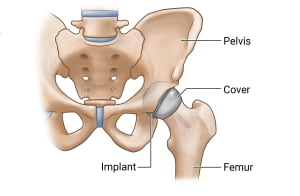
During the surgery, the surgeon smooths the femoral head and the socket areas. The surgeon doesn't replace the femoral head. They put a metal covering on the femoral head and on the socket. This surgery is different from total hip replacement surgery. In total hip replacement, the surgeon replaces the femoral head and puts a metal covering on the socket.
What are the risks of hip resurfacing?
All surgeries have some risks. The risks of this surgery include:
-
Infection.
-
Reaction to metallic debris.
-
Bleeding.
-
Fluid buildup.
-
Blood clots.
-
Injury to nerves.
-
Dislocation.
-
Reactions to anesthesia.
-
The need for more surgery.
-
A break in part of the femur (femoral neck fracture).
Your risks vary based on your age and overall health. For example, if you smoke or you have low bone density, you may have a higher risk for certain problems. People with diabetes may also have a higher risk for problems. Ask your health care provider which risks apply most to you.


