Bones can break (fracture) as a result of a fall, hit, or other injury. Most fractures aren't life-threatening. But they may be very painful. They may lead to serious problems if not treated correctly. Getting the right treatment is key for a healthy recovery.
When to go to the emergency room (ER)
Any fracture to the leg or arm should be considered a medical emergency. Don't move the arm or leg until help arrives. Don't try to straighten or adjust the bone. This can damage the bone. It can injure nearby blood vessels and nerves. If there is an open wound, cover it with a clean cloth. This is to keep it from getting dirty. It can help prevent infection.
What to expect in the ER
Here's what will happen in the ER:
-
A healthcare provider will ask about your injury and examine you carefully.
-
Any wounds you have will be cleaned.
-
X-rays of the injured area will be taken.
Treatment
Treatment depends on where the bone is broken and if there's an open wound. If you have an open wound, you may have IV (intravenous) antibiotics. The wound may be flushed with sterile water. Most fractures are treated in 2 stages:
-
Reduction. The bone is put back into its correct position, if needed.
-
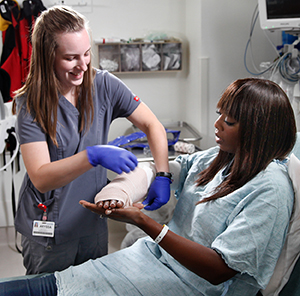
Immobilization. The bone is held in place so it doesn't move as it heals. For many arm or leg fractures, this is done with a splint or cast. Serious or compound fractures may need surgery. In that case, you'll be admitted to the hospital or referred to a bone specialist (orthopedic surgeon).
Signs of a leg or arm fracture
Here's what to look for:
-
The leg or arm is crooked
-
A joint looks out of place
-
A bone sticks out (protrudes) from the skin
-
Weight can't be put on the leg or arm
-
The limb swells or is very painful
-
The limb is numb or tingles
-
A popping or snapping was heard during the injury
-
Bruising