Your body needs protein to build and repair muscles and bones and recover from injury. As the body uses protein, a waste product called blood urea nitrogen (BUN) is made. If your kidneys can’t filter waste from your blood well, the BUN level in your blood goes up. If the level gets too high, you can become sick. Because of this, you need to control the amount of protein you eat each day. Use this sheet to help you.
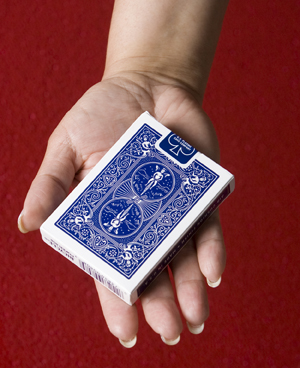
Measuring protein content
You may know how many grams of protein to eat, but most food portions are measured in ounces. Use the chart below to help see the protein content of some common foods.
Protein content measurements
|
Protein source |
Amount in ounces |
Amount in grams |
|
Chicken breast |
3 to 4 ounces |
21 to 28 grams |
|
Chicken thigh |
2 to 2.5 ounces |
14 to 18 grams |
|
Fish |
3 ounces |
21 grams |
|
Pork chop |
2 to 2.5 ounces |
14 to 18 grams |
|
Roast beef |
3 ounces |
21 grams |
|
Steak |
3 to 4 ounces |
21 to 28 grams |
|
Hamburger |
3 to 4 ounces |
21 to 28 grams |
|
Eggs |
1 egg |
7 grams |
|
Cheese |
1 ounce |
7 grams |
|
Most beans |
4 ounces |
7 to 10 grams |
|
Tofu |
2 ounces |
5 grams |
|
Most nuts |
2 ounces |
5 to 8 grams |
If you eat too much protein
Eating too much protein when you have kidney disease may cause:
-
Nausea or vomiting.
-
Tiredness (fatigue).
-
Mental confusion.
-
Higher potassium levels.
-
Higher phosphorus levels.
-
More time on hemodialysis.
-
A risk of speeding the loss of kidney function.
If you eat too little protein
Eating too little protein may cause:
-
Muscle loss and weakness.
-
Tiredness.
-
Weight loss.
-
Slower wound healing.
Talk with your doctor
If you’re having trouble getting the right amount of protein, ask your doctor to refer you to a dietitian. They can help you learn ways to stay on target.


