You have a condition called heart failure. Being active doesn’t mean that you have to wear yourself out. Even a little movement each day helps to strengthen your heart. If you can’t get out to exercise, you can do simple stretching and strengthening exercises at home. The tips below are good, easy ways to keep you well-conditioned. And they can prevent you and your heart from getting too weak.
Ideas to get you started
-
Add a little movement to things you do now. Walk to mail letters. Park your car at the far end of the parking lot and walk to the store. Walk up a flight of stairs instead of taking the elevator.
-
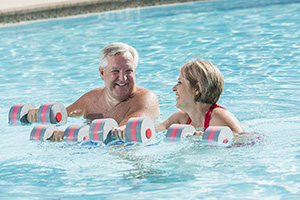
Choose activities you enjoy. You might walk, swim, or ride an exercise bike. Things like gardening and washing the car count, too. Other possibilities include washing dishes, walking the dog, walking around the mall, and doing aerobic activities with friends.
-
Join a group exercise program. Try the YMCA or YWCA, a senior center, or a community center. Or look into a hospital cardiac rehab program. Before you start a program, ask your healthcare provider if you qualify.
Tips to keep you going
-
Get up and get dressed each day. Go to a coffee shop and read a newspaper. Or go someplace where you'll be around other active people. You’ll feel more like being active.
-
Make a plan. Choose one or more activities that you enjoy and that you can easily do. Then plan to do at least one each day. You might write your plan on a calendar.
-
Go with a friend or a group if you like company. This can help you feel supported and stay motivated, too.
-
Plan social events that you enjoy. This will keep you mentally engaged and physically motivated to do things you like.
For your safety
-
Talk with your healthcare provider before starting an exercise program. Your provider will give you specific instructions on what to do if you get overtired.
-
Exercise indoors when it’s too hot or too cold outside, or when the air quality is poor. Try walking at a shopping mall.
-
Wear socks and sturdy shoes to keep your balance and prevent falls.
-
Start slowly. Do a few minutes several times a day at first. Increase your time and speed little by little. Steady, slow, consistent exercise is both safe and healthy.
-
Stop and rest when you feel tired or get short of breath.
-
Don’t push yourself on days when you don’t feel well.
Online Medical Reviewer: Ronald Karlin MD
Online Medical Reviewer: Stacey Wojcik MBA BSN RN
Online Medical Reviewer: Steven Kang MD
Date Last Reviewed: 02/23/2009
© 2000-2026 The StayWell Company, LLC. All rights reserved. This information is not intended as a substitute for professional medical care. Always follow your healthcare professional's instructions.