Sexually transmitted infections (STIs) are also called sexually transmitted diseases (STDs). The only sure way to prevent STIs is not having any kind of sex (abstinence). But if you do have sex, take steps to protect yourself:
-
Get to know your partner. Ask them if they’ve ever had an STI or been tested. Ask each other how many partners you've had in the past. And ask how many you have now. Stay free of disease by having sex only with each other (monogamy).
-
Get vaccinated against HPV (human papillomavirus). This virus causes genital warts, abnormal Pap smears, and cancer. HPV vaccination is recommended for preteens ages 11 or 12 (or can start at age 9) and also for everyone through age 26, if not vaccinated already.
-
Always use latex condoms during sex.
-
Take medicines to prevent HIV if you're at risk. You can take these within 72 hours after risky sex (PEP: post-exposure prophylaxis). Or you can take them daily if you're having many risky encounters over time (PrEP: pre-exposure prophylaxis). PrEP can also sometimes be taken on demand. This is the case if you have encounters less often, but you know about them in advance. The typical on-demand treatment starts with 2 pills, taken 2 to 24 hours before sex.
-
Find out more. If you're concerned about your risk for STIs, talk with your health care provider, school nurse, campus clinic, or local health department.
-
Get tested for STIs, so that you can take steps to protect yourself and your partner, or so that you can get treated.
Is this the right time?
Having sex is a personal choice. It’s not about what your friends think or what your partner thinks. It’s about what you feel is right. So it’s okay to say now’s not the time. Choosing abstinence gives you more time to learn about your partner. No matter what you decide, don’t let alcohol or drugs cloud the issue. They can lead you to make decisions about sex that you later regret.
Always use a latex condom
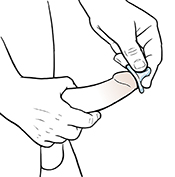
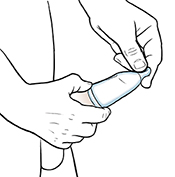
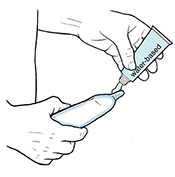
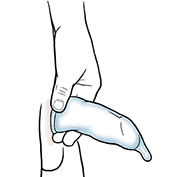
If you have sex, always use a latex condom. It’s the best way to prevent STIs. Males and females of any age can buy them. Most condoms are made for men. But there are also condoms for women. Be sure to get condoms that say they protect against STIs. And use a new condom each time you have sex. Make sure there are no tears or defects. And use water-based or silicone-based lubricant to prevent breakage.
The right way to use a condom for males
Featured in
Online Medical Reviewer: Lalitha Kadali
Online Medical Reviewer: Raymond Kent Turley BSN MSN RN
Online Medical Reviewer: Sabrina Felson MD
Date Last Reviewed: 03/01/2025
© 2000-2026 The StayWell Company, LLC. All rights reserved. This information is not intended as a substitute for professional medical care. Always follow your healthcare professional's instructions.