Before you can help your child, it helps to understand what ADHD is. A child who has ADHD finds it hard to pay attention and focus on tasks. They tend to act without thinking. And they may have trouble sitting still. Even though ADHD is not a learning problem, it can affect learning. With the right help, your child will find it easier to learn both at school and at home.
Learning about ADHD
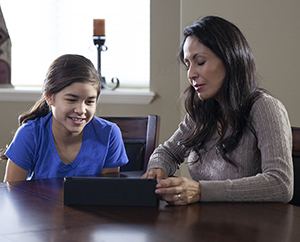
One of the best ways to help your child is to learn about ADHD. You can start by believing that your child is not lazy. And know that having ADHD doesn't mean your child is not smart. Once you know the special needs that ADHD creates in your child, share what you learn with others. Some people may not want to accept the diagnosis or deny the problem. Even so, let them know how they can help your child. As you learn more about what your child needs, you will become their best advocate.
Learning with ADHD
Except in rare cases, there is nothing wrong with the intelligence of a child with ADHD. Work with your child’s teacher to make it easier for your child to learn. And share the tips below with them. Know that your child has the right to get the help they need. Ask your child's teacher or the school principal to explain these rights and how to access them.
Parent’s role
Here are some ways you can help your child:
-
Learn as much as you can about ADHD and the laws that protect your child in school. Join an ADHD parent support group.
-
Let your child know that ADHD is not their fault. Listen to how they feel about having ADHD. Keep track of social media to make sure that your child is not being bullied.
-
Ask for a teacher who can help your child. Stay in touch.
-
Create a tidy, quiet study space for your child at home.
Teacher’s role
Here are a few tips the teacher can try:
-
Take part in education programs about ADHD. Learn about classroom strategies that work well.
-
Seat the child near the front of the room, away from things that may distract them, like windows or noisy heaters.
-
Find the best way to “reach and teach” the child. Use recorders, computers, or games if they help the child learn.
-
Let the child study the subjects they like. Give them special projects to boost self-esteem.
-
Talk with ADHD experts in the school or school district. They can help set up an educational plan that best supports the child.
-
If the child's ADHD makes it very hard for them to function in the classroom, talk with the ADHD experts and parents about more testing. Ask about making an individualized education plan.
Child’s role
Here are some hints for your child:
-
Tell your parents and teachers when you need help.
-
Have a place at home and at school for your books, folders, and projects.
-
Make a list of your homework assignments and when they are due. It can help to mark the dates on a calendar.
-
Take short breaks between assignments. Set a timer to tell you when to end the break and return to homework.
To learn more
Online Medical Reviewer: L Renee Watson MSN RN
Online Medical Reviewer: Marianne Fraser MSN RN
Online Medical Reviewer: Paul Ballas MD
Date Last Reviewed: 06/01/2025
© 2000-2026 The StayWell Company, LLC. All rights reserved. This information is not intended as a substitute for professional medical care. Always follow your healthcare professional's instructions.