Most people with heart problems need to eat less salt (sodium). Reducing the amount of salt you eat may help control your blood pressure. The higher your blood pressure, the greater your risk for heart disease, stroke, blindness, and kidney problems.
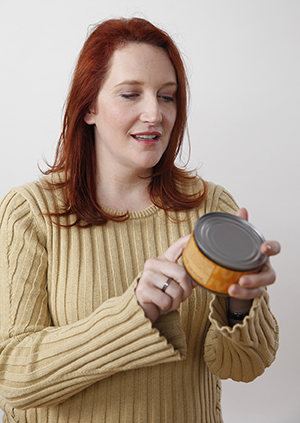
At the store
-
Make low-salt choices by reading labels carefully. Look for the total amount of sodium per serving.
-
Use more fresh food. Buy more fruits and vegetables. Select lean meats, fish, and poultry.
-
Use fewer frozen, canned, and packaged foods, which often contain a lot of sodium.
-
Use plain frozen vegetables without sauces or toppings. These products are often low-sodium or no-sodium.
-
Choose reduced-sodium or no-salt-added versions of condiments, canned vegetables, broths, and soups.
-
Choose unsalted nuts and seeds.
In the kitchen
-
Don't add salt to food when you're cooking. Season with flavorings like spices, herbs, vinegar, onion, garlic, pepper, salt-free herbal blends, and lemon or lime juice.
-
Use a cookbook that has low-salt recipes. It can give you ideas for tasty meals that are healthy for your heart.
-
Sprinkle spices, herbs, or salt-free herbal blends on vegetables and meat.
-
Drain and rinse canned foods, such as canned beans and vegetables, before you cook or eat them.
-
Remove the salt shaker from the table.
Eating out
-
Tell the waiter you're on a low-salt diet. Ask questions about the menu.
-
Order fish, chicken, and meat broiled, baked, poached, or grilled without salt, butter, or breading.
-
Use lemon, pepper, and salt-free herb mixes to add flavor.
-
Choose plain steamed vegetables, rice, boiled noodles, and baked or boiled potatoes. Top potatoes with chives and a little sour cream.
Reading food labels to limit salt
Beware! Salt goes by many other names. Limit foods with these words listed as ingredients: salt, sodium, soy sauce, baking soda, baking powder, MSG, monosodium, and Na (the chemical symbol for sodium). Some antacids are also high in salt.